You Own Three Rentals and One Umbrella Policy: Does It Actually Reach the Rentals?

A personal umbrella can sit over landlord liability, but only if every rental is disclosed, the underlying limits line up and the owner on the deed matches the name on the policy.
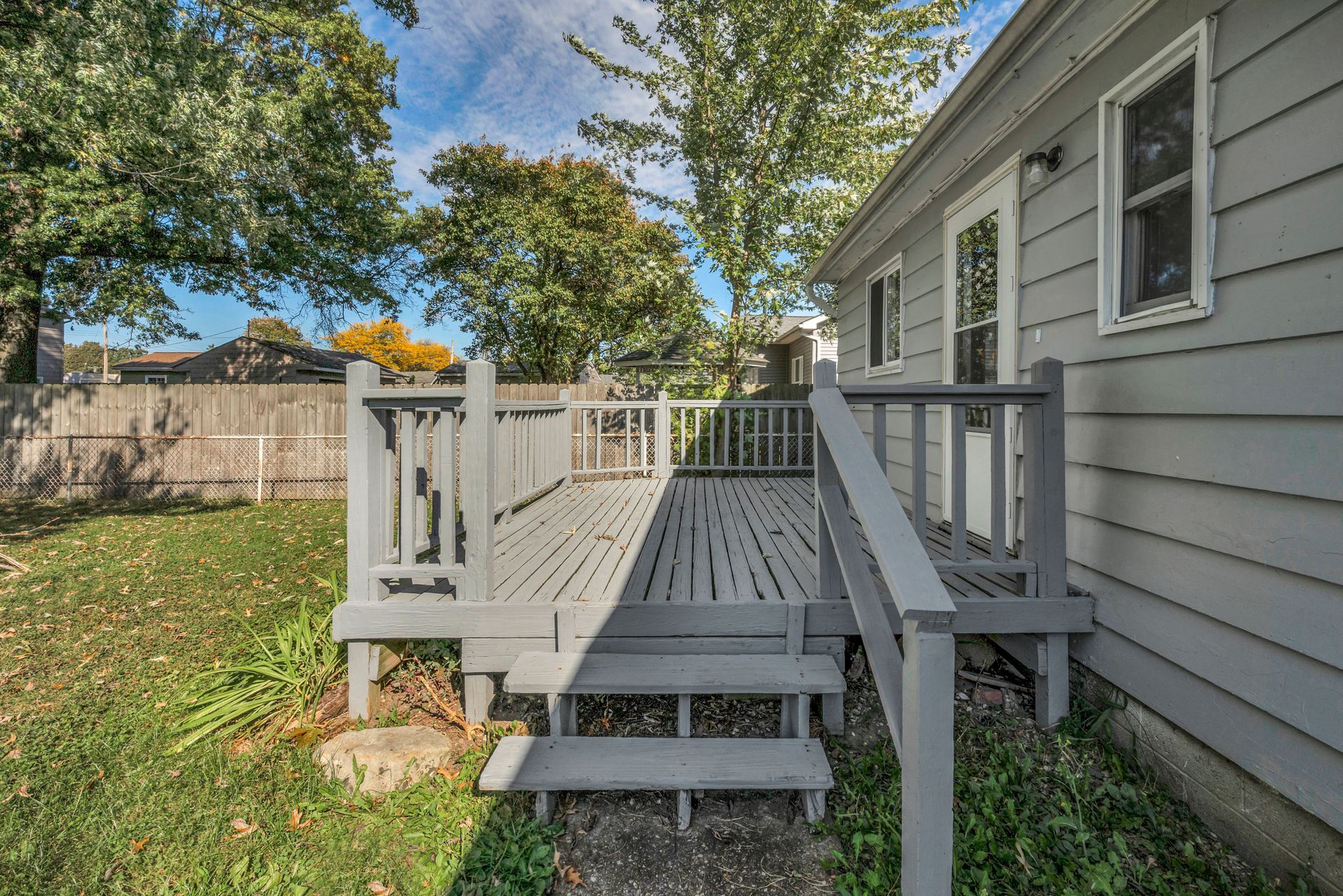
Say a teacher in Parker County owns her home and three rental houses she bought one at a time over ten years. She added a personal umbrella policy when her son started driving and assumed it covered everything she owns. Then a tenant's guest falls on a broken back step at one of the rentals, and the demand letter is far above the liability limit on that rental's dwelling policy.
A personal umbrella can sit on top of landlord liability, but generally only when every rental is disclosed to the carrier and the underlying policies carry the limits the umbrella requires. It adds extra liability protection above those policies; it does not pay to repair the buildings. Because the terms vary by carrier, confirm with your agent that each rental is actually included.
What an umbrella does for a landlord
An umbrella is excess liability coverage. When a lawsuit or judgment is larger than the liability limit on your home, auto or rental policy, the umbrella may pay the amount above that limit, up to its own limit, after the underlying coverage is used up. It generally does not cover the building itself, so a fire or storm loss to a rental still runs through the dwelling policy.
That makes the underlying rental policy the first line of defense. If you want a refresher on that layer, we covered the liability side of a DP-3 on a paid-off rental, and the main point is that liability protection does not depend on whether a mortgage is attached. A rental house with no loan still needs liability coverage, and the umbrella is built to sit above it.
Every rental has to be listed
Many umbrella policies require each rental property to be listed, and some price them individually. A rental that was never disclosed may be excluded or may create a gap right where the claim lands. Owners often assume that "everything I own" means exactly that, and the policy language can say something narrower.
Buying a new rental in the middle of a policy term is the moment people forget. Tell your agent when you close, not at renewal, and ask in writing whether the new property is covered from the closing date. The same goes for any house you convert from a primary residence into a rental.
Underlying limits the umbrella expects
Most umbrellas require minimum liability limits on every underlying policy, including the home, each vehicle and each rental dwelling policy. If a DP-3 carries a lower limit than the umbrella requires, the owner may be responsible for the gap before the umbrella starts paying. That is how a claim can fall into a hole between two policies.
The fix is simple but easy to miss. Read the umbrella's required limits, compare them with the declarations page on each underlying policy, and raise any that fall short. Doing this before a claim is routine paperwork, and doing it after is a hard conversation.
When the rentals sit in an LLC
Many Texas landlords hold rentals in an LLC for liability reasons. A personal umbrella may not cover property that an LLC owns unless the LLC is added to the policy, or unless the owner uses a commercial umbrella instead. The name on the deed and the name on the policy generally need to match what the carrier agreed to insure.
This is a bigger topic than one section can hold, and we will take it up in more detail in an upcoming post on structuring coverage for rentals held in an LLC. For now, the practical step is to ask your agent and your attorney how your ownership structure lines up with your policies.
Claims that tend to reach the umbrella
The claims landlords worry about are the ones that cause serious injury: a slip and fall on a broken step, a dog bite at a rental, a pool accident, or a tree that drops on a neighbor's property. Some umbrellas also include personal injury coverage for things like wrongful eviction or defamation, though that varies, so ask whether yours does.
You can reduce the odds that a tenant's problem becomes your problem. Many landlords start by requiring renters insurance in your lease, because a tenant's own liability coverage may respond first when a tenant or a guest causes the damage. It does not replace your coverage, but it adds a layer between a small incident and your umbrella.
Keeping the property in decent shape matters as much as the paperwork. Broken steps, loose handrails, bad lighting and unfenced pools are the kinds of conditions that turn a fall into a lawsuit. Fixing a hazard promptly and keeping a record of the repair, with dates and photos, often helps if a claim is ever disputed, though it is wise to ask an attorney how to document tenant requests.
Defense costs are worth a question as well. Many umbrellas pay for a legal defense in addition to the limit, but the terms differ, and some policies treat the defense differently once underlying limits are used up. Ask your agent how your umbrella handles attorney fees and who controls the choice of counsel.
A short checklist before renewal
Is every rental listed? Compare the umbrella's schedule with every property you own, including any bought this year.
Do the names match? Check the owner on each deed against the named insured on the policy.
Does each underlying limit meet the requirement? Look at the home, the vehicles and every DP-3.
What about personal injury? Ask whether it is included and what it covers.
Raise one more question while you are at it: what limit makes sense for the number of properties, tenants and vehicles you have? There is no single right answer, and many owners revisit it as their holdings grow. Review the whole setup at every purchase and every renewal, since a portfolio that grows one house at a time can drift away from the coverage that was set up years ago. TAP Insurance Agency is an independent agency that shops multiple markets, so we can line up the underlying policies and the umbrella together, and you can request an umbrella insurance quote when you are ready to see the options.
— TAP Insurance Agency · Call (800) 666-2254 — or text QUOTE to (817) 646-6700 · tapinsuretx.com