Running a Cargo Van Under Your Own Authority: What Changes on a Texas Expedite Policy
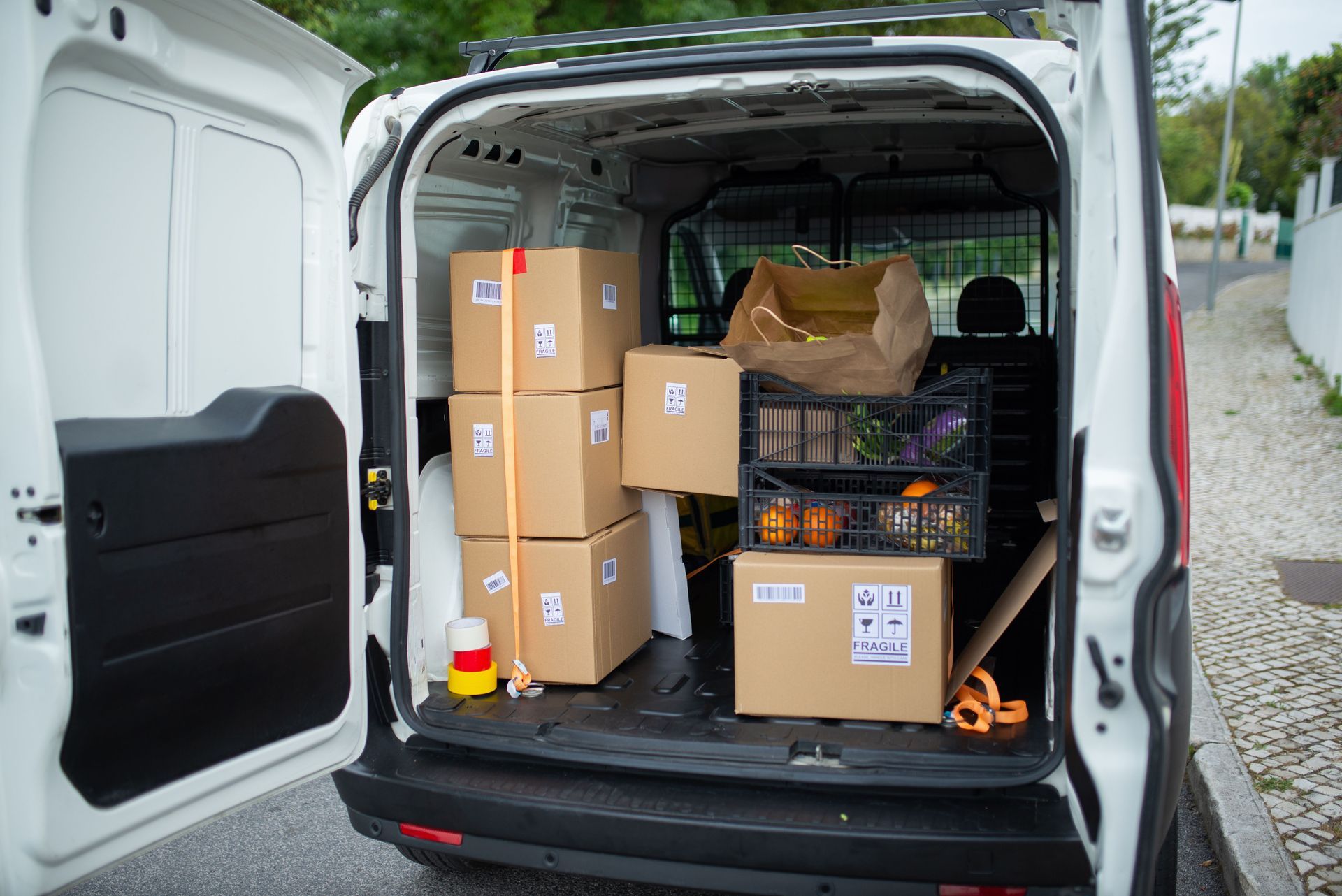
A cargo van looks like a personal vehicle, but once it hauls freight for hire across state lines, the filing, the liability limit and the cargo coverage all change.

Say a former freight broker in Collin County buys a high-roof cargo van, files for his own authority and plans expedited runs across the lower 48 at around 100,000 miles a year. His personal auto agent tells him the van cannot stay on a personal policy. The first broker he talks to asks for proof of a federal filing and a cargo limit before he can book a single load.
A cargo van that hauls freight for hire generally needs a commercial auto policy written for trucking, not a personal auto policy. Personal policies commonly exclude carrying property for a fee, and a for-hire interstate carrier also needs federal authority and an insurer-filed proof of liability. If you are weighing your options, our overview of commercial trucking insurance in Texas is a good place to see how the pieces fit together.
A cargo van is a commercial vehicle the day it hauls for hire
The van itself has not changed, but the way you use it has. Hauling someone else's freight for pay is a commercial activity, and insurers treat it that way. Many personal auto policies exclude it, so a claim on a for-hire run could be denied even if you have paid your personal premium faithfully. Your personal auto agent may also be unable to move the van onto a commercial form, which is why many drivers shop trucking markets from the start.
That is why the personal auto agent gave the answer he did. A commercial auto policy for trucking is built around the for-hire exposure, with liability, cargo and physical damage options that a personal policy never contemplated. Moving the van over before the first load is simpler than trying to fix a gap after an accident. Tell your agent the states you plan to run, the kind of freight you expect and how often you will be away from home, because each of those shapes how a trucking policy is written.
Authority, filings and the liability limit brokers ask for
A for-hire carrier moving freight across state lines generally needs operating authority, often called an MC number, plus a USDOT number. The insurer then files proof of liability coverage with the FMCSA, using a form such as the BMC-91 or BMC-91X. We explain how the BMC-91X filing works for a new authority in a separate post, since the timing can hold up a new carrier more than people expect.
Vehicles under 10,001 pounds gross vehicle weight rating generally have a lower federal minimum than heavier trucks. Even so, many brokers and shippers still ask for one million in liability before they will tender a load. Requirements change, so confirm the current rules with FMCSA and read what each broker's carrier packet actually asks for.
Your policy may also carry an MCS-90 endorsement, a federal form that exists to protect the public if you cause a crash. It is there for injured third parties, not for you, so it does not stretch the policy to cover things the policy otherwise excludes. Ask your agent to explain how it works on your policy and whether the insurer can seek repayment from you afterward.
Cargo coverage on a van is not an afterthought
Motor truck cargo coverage pays for the freight you are hauling if it is damaged or lost. Expedite loads vary a lot in value, so the limit should be set to the highest load you expect to carry, not the average one. Booking a load worth more than your limit is a gap waiting to happen.
Read the exclusions closely. Many cargo forms limit or exclude losses when a vehicle is left unattended, and loads such as electronics or other high-value freight may carry special conditions or lower limits. Ask your agent how the policy treats a stop for fuel or a night in a hotel lot. Also ask what the policy expects when a broker requires a certificate showing a specific cargo limit before booking a load.
Physical damage and the van you just financed
If the van is financed, the lender will generally require comprehensive and collision coverage and will be listed as the loss payee, which means the lender is paid first on a total loss. Ask whether the policy pays actual cash value or a stated amount, since that choice changes the check you receive after a loss.
Aftermarket racks, shelving and tie-down systems add real value to a van, but they may not be covered unless they are listed. Keep receipts and photos so those upgrades can be accounted for before a claim, not argued about after one. Also ask how the deductible works, since a higher deductible on a van that runs every day can be a real out-of-pocket hit.
Why new ventures get extra questions
A brand-new authority has no loss history of its own, so underwriters look at the owner instead. They weigh your driving record, your experience hauling freight, your expected radius and mileage, and sometimes whether you run a dash cam or telematics. A commercial driver's license is generally not required for a van of this size, but experience still counts.
Expect more questions and, often, a larger down payment than an established carrier would pay. That is normal for a first policy. A clean first year builds the record that makes the next renewal easier. Regular vehicle maintenance, written trip logs and a simple driver policy can all show an underwriter that you run a tidy operation from day one.
What to have ready before you call
What are you insuring? Have the VIN, or the year, make and model, plus the garaging address.
Who is driving? Gather driver's license information for every driver who might get behind the wheel.
What is your authority status? Know where your USDOT and MC numbers stand, and your planned start date.
What will you haul? Be ready with your radius, the states you run and the typical and highest load values.
TAP Insurance Agency is an independent agency that shops multiple trucking markets, so we can compare how carriers treat a new authority running a van. If you are going out on your own, take a look at our owner-operator coverage options and send us the details above.
Educational only; coverages and availability vary by carrier. TAP Insurance Agency, PLLC — Rhome, TX, licensed in Texas and Oklahoma.
— TAP Insurance Agency · Call (800) 666-2254 — or text QUOTE to (817) 646-6700 · tapinsuretx.com