Loss of Rents: The DP-3 Coverage a Texas Landlord Forgets Until a Tenant Can't Move Back In
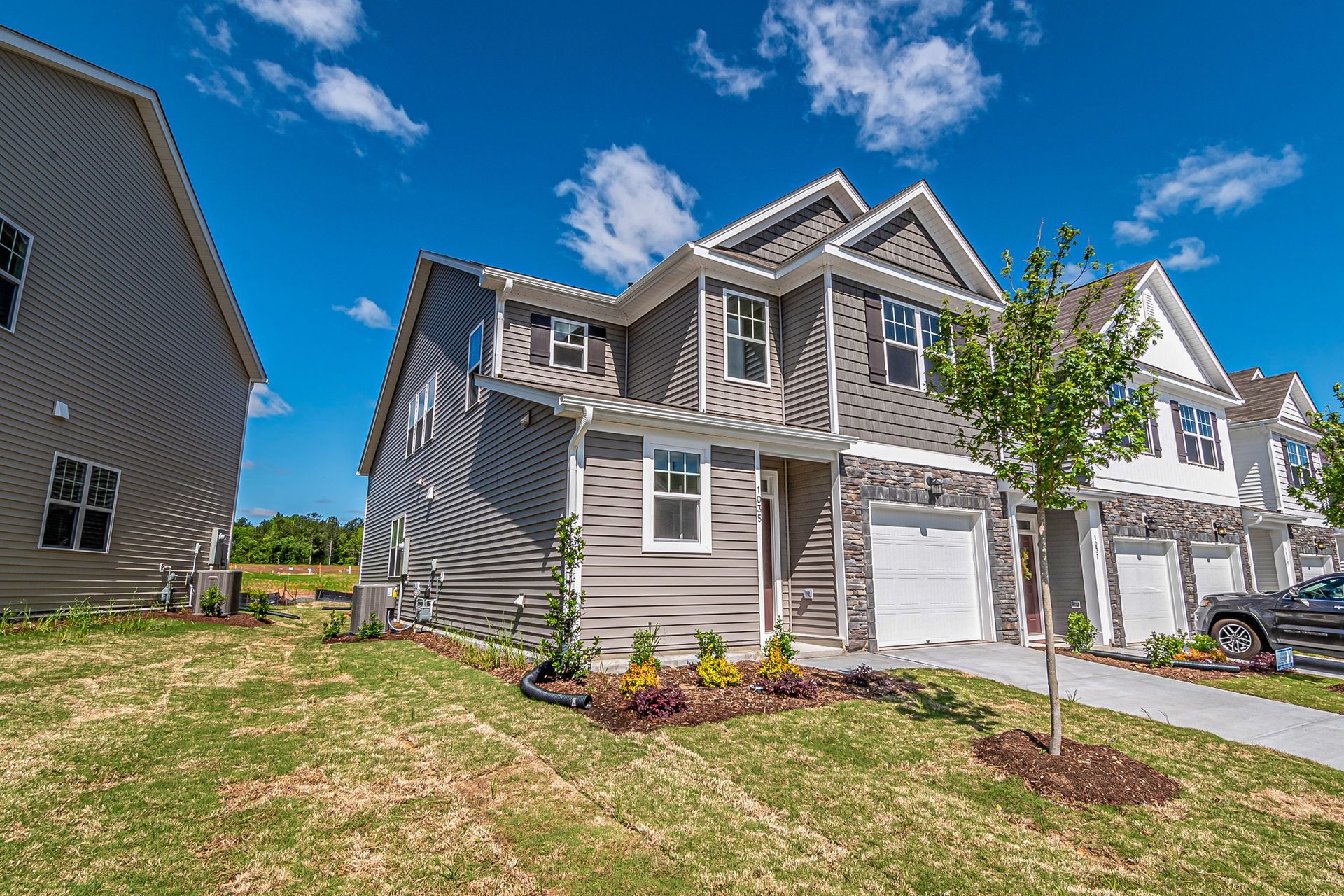
Fair rental value coverage on a Texas DP-3 policy pays when a covered peril makes a rental unhabitable, not when a tenant stops paying or breaks a lease, so the limit and the trigger are both worth confirming before you need either.

Picture a landlord in Bridgeport whose tenant's kitchen fire knocks a rental house offline for three months. The tenant moves out the same week, the contractors take their time, and the landlord keeps paying the mortgage on a house earning nothing. He calls expecting a fight over the loss-of-rents coverage on his DP-3 policy and instead gets a check that covers most of the gap, because the fire was a covered peril and the unit was genuinely uninhabitable. Now say a different tenant on a different property, two years earlier, had simply stopped paying rent during a dispute; that same coverage would have paid nothing at all.
Fair rental value, usually called loss of rents, is Coverage D on a Texas DP-3 policy, and it reimburses the rent you lose while a covered peril makes the unit uninhabitable during repairs. It does not pay because a tenant stopped paying, broke a lease, or simply moved out; the loss has to trace back to a covered cause of loss, not a tenant problem.
That distinction is the whole coverage in one sentence, and it's the piece landlords get wrong most often, because "loss of rents" sounds like it should cover any month the rent doesn't show up. It doesn't, and knowing the difference before a bad month, rather than during one, is the point of this whole page.
What loss of rents actually is
Coverage D is only one part of how a DP-3 policy is built, and it sits apart from Coverage A, the part that pays to rebuild the dwelling itself. Coverage A repairs the structure; Coverage D replaces the income you lose while that repair is happening. They're triggered by the same event but they answer two different financial questions, and a landlord who only checks the dwelling limit at renewal can miss that the rent-replacement piece needs its own separate look, since the two limits are set independently and neither one automatically tracks the other.
Here is how that plays out in practice: a landlord's tenant stops paying rent during a security-deposit dispute and moves out with nothing damaged in the unit. The landlord assumes loss-of-rents coverage will bridge the gap the way a vacancy guarantee might. It doesn't, because there is no covered peril behind the vacancy, only a tenant problem, and that's exactly the boundary this coverage is built around.
The trigger is a covered peril, not a broken lease
Loss of rents responds when a peril the policy covers, fire, a wind or hail event, a burst pipe, makes the rental unit uninhabitable and the tenant has to move out or can't move in while repairs happen. It does not respond to an eviction, a tenant who breaks a lease and leaves, a unit sitting vacant between tenants for ordinary marketing reasons, or a rent dispute with no physical damage attached. If nothing happened to the property itself, there's nothing for this coverage to respond to, no matter how real the lost income is.
That's a hard line for a lot of landlords to internalize, because the financial pain of an empty unit feels the same either way. The insurance answer only cares about the cause, not the size of the check the landlord would otherwise be writing themselves.
If you own more than one unit, the mechanics shift again
Everything above assumes a single rental house with a single lease. Once a property moves past that, a duplex or small multi-unit rental works differently, because a single event, a roof fire, a burst pipe in a shared wall, can knock out more than one income stream at the same time, and the limit has to reflect the combined rent across every affected unit, not just one lease's worth.
That's a different calculation than the single-property question this page is built around, which is exactly why it deserves its own look rather than being folded into a general landlord overview.
How the limit gets set, and why the default is often wrong
Most DP-3 policies set the loss-of-rents limit as a percentage of the dwelling coverage limit, or as a flat monthly amount chosen at quote. Either way, that number is only useful if it actually matches what the unit rents for. A default limit calculated off an outdated dwelling value, or copied from a template quote, can leave a landlord with a monthly loss-of-rents payment well under the actual rent the property commands in today's market.
Match it to current rent. Give your agent the actual monthly rent the property is earning right now, not the number from three renewals ago.
Recheck it after a rent increase. If you've raised rent since the policy was last reviewed, the loss-of-rents limit needs the same update or it quietly falls behind.
The payment period ends when repairs reasonably should
Loss of rents doesn't pay indefinitely. It's tied to the reasonable time it should take to repair or replace the damaged property, not to how long the actual repair drags on for unrelated reasons: contractor scheduling, permitting delays, a landlord who takes time deciding whether to rebuild at all. If repairs stretch well past what's reasonable for the damage involved, the coverage can stop before the check-writing does, which is worth understanding before a claim, not during one, and it's a fair question to ask your agent to spell out in plain terms rather than leaving it as fine print you only read once a repair is already dragging.
Where this fits if you're building a rental portfolio
Landlords who add a second or third property often keep each policy exactly as it was quoted on day one, loss-of-rents limit included, without revisiting whether the numbers still make sense once several rentals sit under one relationship with one agent. Reviewing every property's Coverage D limit together, rather than one renewal at a time as each happens to come due, is the difference between catching an outdated limit on your own schedule and finding it during a claim.
If you're not sure your current loss-of-rents limit matches what your rental actually earns, that's a five-minute conversation, and it's a better one to have before a covered loss than after. Start with a landlord policy quote and bring your current rent roll to the call.
Educational only; coverages and availability vary by carrier. TAP Insurance Agency, PLLC — Rhome, TX, licensed in Texas and Oklahoma.
— TAP Insurance Agency · Call (800) 666-2254 — or text QUOTE to (817) 646-6700 · tapinsuretx.com