Your Car Was Repaired Perfectly. Why Is It Still Worth Less? Diminished Value in Texas
In Texas, the value a car loses after a wreck is generally chased against the at-fault driver's insurer, not your own, and the clock is short.
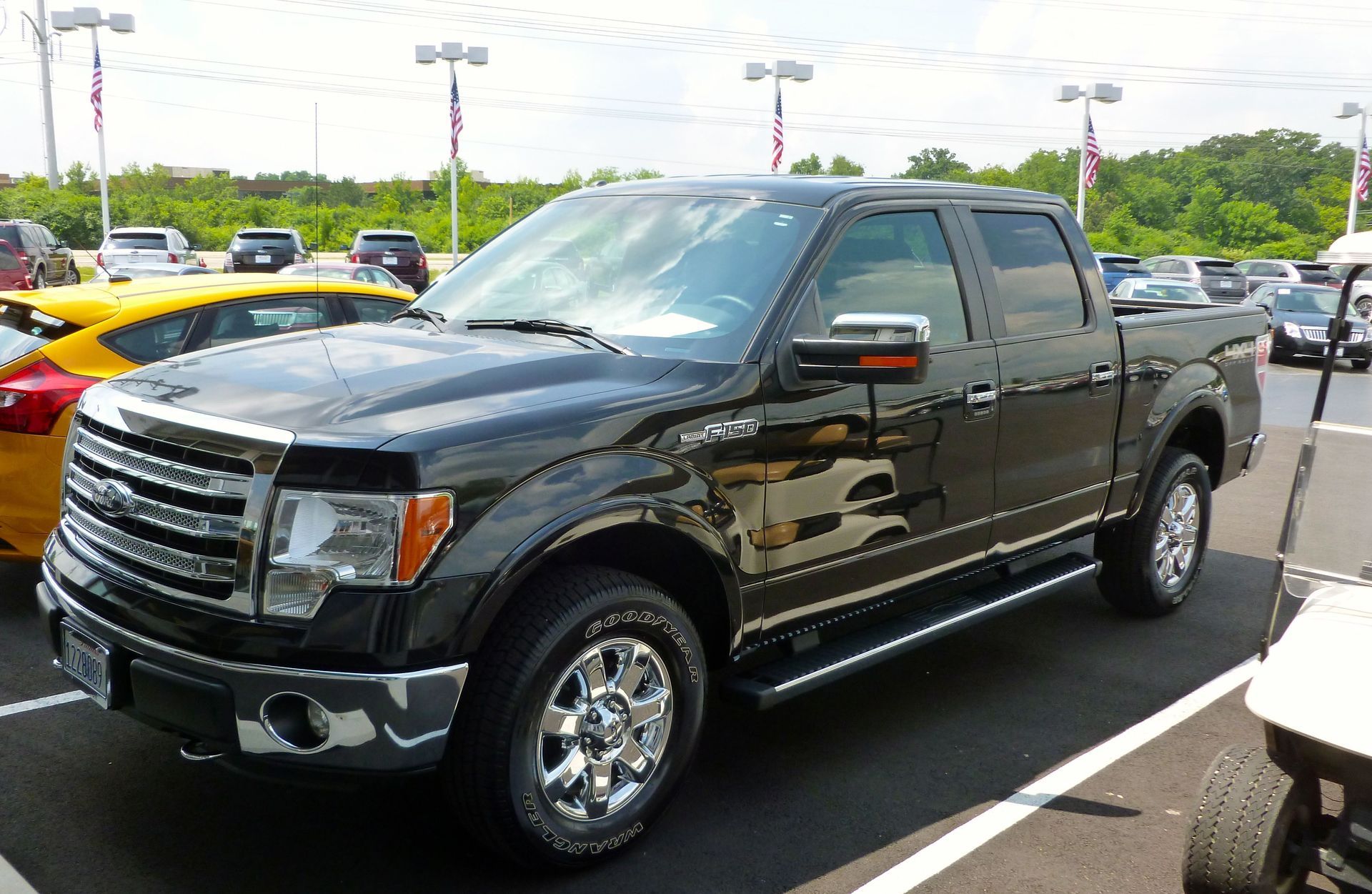
Picture a driver on FM 730 north of Boyd who gets rear-ended at a red light. The other driver's insurer approves the repair, the body shop does clean work, and the truck rolls out looking new. Then a dealer offers a trade-in number well below what the same model with no accident history would bring. Nothing is wrong with the repair. The truck now carries a wreck on its history report, and that gap is what people call diminished value.
Here is the short answer. In Texas, diminished value is generally a claim you make against the at-fault driver's liability insurer, not against your own policy. Most personal auto forms pay to repair or replace your vehicle and stop there. When someone else caused the wreck, you can usually ask their insurer to account for the market value your vehicle lost, and the general time limit for a property damage claim in Texas is two years from the date of the accident.
What diminished value actually is
Diminished value is the difference between what your vehicle was worth the day before the wreck and what it is worth after a proper repair. Buyers, dealers and appraisers all discount a vehicle with a reported accident, even when the work was done right and the frame is straight. Newer, lower-mileage vehicles feel the gap most, because they had the most value to lose.
It is a different question from what a carrier owes on a car that is not worth fixing. That is the actual cash value question, and we walked through how Texas insurers decide what a totaled car was worth in a separate post. Diminished value sits at the other end of the spectrum: the car was repaired, you kept it, and it is simply worth less than it was.
Financed, leased, or at fault
Your situation changes the picture. If you were at fault, there is no other driver's insurer to ask, and your own collision coverage generally pays for the repair and nothing more. If the vehicle is leased or financed, the lender or leasing company may have rules about repairs and about who receives claim payments, so read that paperwork before you agree to anything.
Leased vehicles bring their own wrinkle, since the value loss may show up at turn-in rather than at trade-in. Ask the leasing company how it treats accident history, and keep the repair records for the same reason.
Your own insurer versus the other driver's insurer
Third-party claim. When another driver is at fault, their liability coverage pays for damage to your property. Texas courts have generally recognized that lost market value after repair can be part of that damage. This is the claim people mean when they say "diminished value claim," and it is the one that usually has a path.
First-party claim. If you run the claim through your own collision coverage, most Texas personal auto policies pay for repair or replacement and do not add a separate payment for lost resale value. Some forms are written differently, so it is worth reading your own policy language or asking your agent to read it with you.
This is one more reason the coverage-level decision matters. Collision coverage gets your car fixed quickly no matter who caused the wreck, while the value question is pursued separately against the at-fault side. We walk through which of your coverages actually apply in our guide to what to do after a car accident in Texas.
When a claim is worth pursuing
The size of the claim should justify the paperwork. A newer vehicle with low mileage, a clean history before the wreck, and repairs that touched structural parts or airbag systems tends to lose the most value. An older vehicle with high miles, prior damage, or a purely cosmetic repair usually has little value left to lose, and the effort may not pay off.
If the at-fault driver has minimum limits, the property damage limit is shared with everything else that claim has to cover, including your repair bill. That is a practical ceiling worth knowing before you spend money on an appraisal.
How the number gets built
There is no single official formula. Diminished value is a market question: what would a willing buyer pay for this exact vehicle, with this exact history, compared with a clean one? The strongest claims are built with paper rather than adjectives.
Useful evidence includes the final repair invoice with the full scope of work, photos taken before and after, a vehicle history report showing the reported accident, and comparable listings or an independent appraisal. Expect an insurer to start with its own math, often a low number. A documented counter can move the conversation, though no one can promise what a carrier will pay.
Mistakes that shrink a claim
Accepting a quick payment before repairs are done. Early checks often cover only the repair estimate, and cashing one can be treated as settling the matter.
Skipping the paperwork. A claim built on memory loses to one built on invoices, photos and a history report. Save everything, including the rental car receipts.
Assuming a shop's "good as new" letter ends the question. A quality repair protects your safety. It does not erase the accident from a buyer's screen.
Timing, the release, and your next steps
Wait until repairs are finished before you measure the loss, because the claim is about what remains after a proper repair. Keep the two-year window in mind, since evidence gets stale, vehicles get sold, and cooperation fades with time.
Read any release before you sign it. A property damage release that says it settles everything from the accident can close the door on a diminished value claim you had not raised yet. If the amount at stake is large, a short conversation with a Texas attorney before signing is money well spent. This is general information, not legal advice.
Get the repair estimate and the final invoice in writing, save every photo, and pull a vehicle history report once repairs are complete. Ask the at-fault insurer directly whether they consider diminished value and what documentation they want. Keep your notes on who you spoke with and when.
If you are not sure how your own policy would respond after a wreck, we can walk through how your auto coverage is built and what it does and does not pay, before you need it. As an independent agency, we shop multiple carriers, so we can also show you how different forms treat the same situation.
Educational only; coverages and availability vary by carrier. TAP Insurance Agency, PLLC — Rhome, TX, licensed in Texas and Oklahoma.
— TAP Insurance Agency · Call (800) 666-2254 — or text QUOTE to (817) 646-6700 · tapinsuretx.com